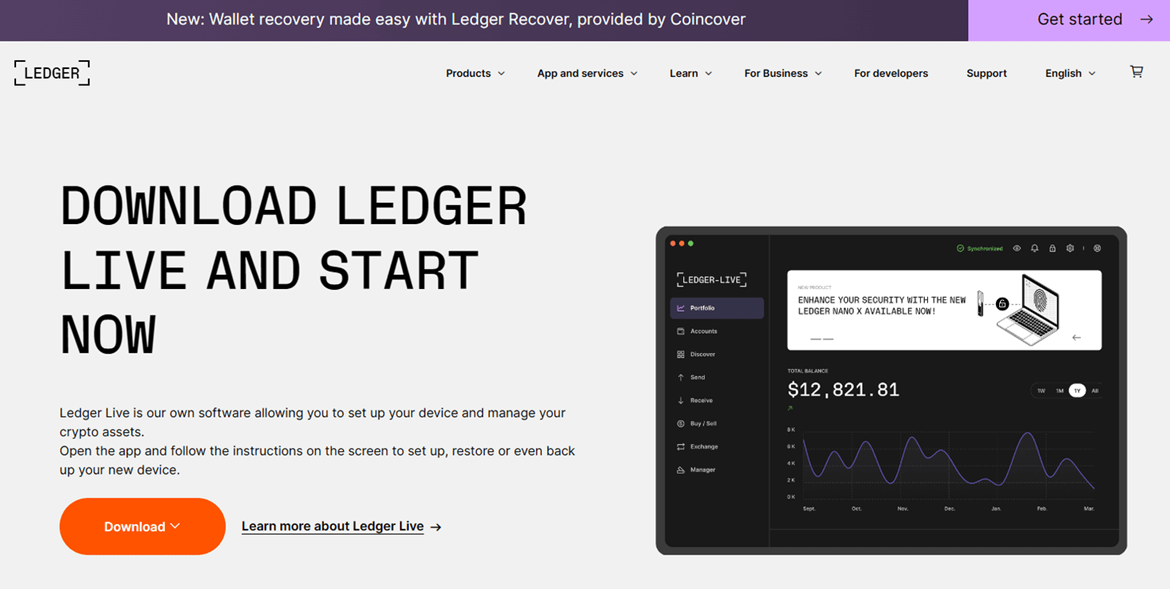
Ledger.com/start: A Practical Guide to Setting Up and Securing Your Ledger Wallet
Getting started with a hardware wallet is an important step toward taking greater control of your digital assets. Ledger.com/start can serve as a starting point for users who want to learn about setting up a compatible Ledger device and developing safer crypto-management habits. A careful setup process helps ensure that your wallet is prepared correctly before you begin managing cryptocurrency.
How to Set Up Your Ledger Wallet
If you are wondering how to set up your Ledger wallet, begin by using a trusted computer and obtaining the required wallet software from an official Ledger source. Connect your compatible Ledger device and follow the setup instructions displayed by the software and device.
During initialization, you may be asked to create or confirm a PIN directly on the hardware device. You will also receive a recovery phrase. This phrase is extremely important because it can be used to restore access to your wallet if the device becomes unavailable.
Write the recovery phrase down carefully and keep it offline in a secure location. Never photograph it, store it in an online document, or share it with another person. No legitimate support representative should ask you to reveal your complete recovery phrase.
How to Secure Your Ledger Wallet
Learning how to secure your Ledger Wallet is just as important as completing the initial setup. Your hardware wallet should remain under your physical control, and your PIN and recovery information should be kept private.
Before confirming any transaction, carefully compare the recipient address, amount, and network information. When possible, verify important transaction details directly on the Ledger device before approving them.
You should also remain alert to phishing websites, fake applications, suspicious messages, and fraudulent support accounts. Always verify that you are using legitimate sources before installing wallet software or following setup instructions.
Key Benefits
- Hardware-Based Protection: Private keys are designed to remain protected within the compatible hardware device.
- Transaction Verification: Review important transaction information before confirming an action.
- Recovery Control: Maintain offline access to your recovery phrase.
- Personal Ownership: Manage your crypto without relying entirely on a third-party custodian.
- Security Awareness: A structured setup encourages better protection habits.
Important Security Practices
Never enter your recovery phrase into a website, email, chat, or unexpected application. Keep your device and recovery information separate from ordinary online accounts, and be cautious when receiving unsolicited crypto-related instructions.
Regularly review your wallet activity and confirm that transactions match your intentions. Security is an ongoing responsibility rather than something that ends after installation.
Conclusion
Ledger.com/start provides a useful starting point for learning about hardware wallet setup and responsible crypto management. By understanding how to set up your Ledger wallet and how to secure your Ledger Wallet, you can establish stronger habits around device protection, recovery information, and transaction verification. Take your time during setup, verify every important step, and keep your recovery phrase private at all times.